

Deep House
House music's softer, warmer side: jazzy chords, round basslines and a slower, smoother groove.
- Tempo
- 118 to 124 BPM
- From
- Chicago, mid 1980s
- In Toronto
- 20 upcoming shows
What it sounds like
Slower than most house, around 118 to 124 beats a minute, with a soft, round kick and a bassline that moves more than it pounds. Chords carry the track: electric piano, organ and pads, often taken from jazz and soul, warm and a little melancholy. Vocals, when there are any, are smooth and soulful. Drums are often swung rather than straight, with shakers and congas, and tracks hold one level of energy for a long time instead of building to drops. It suits early hours and long sets.
Where it came from
Deep house came out of Chicago house in the mid 1980s. Larry Heard, a drummer who had played in bands before he bought a drum machine and synthesizer, released "Can You Feel It" as Mr. Fingers in 1986, built on soft chords and a slow, rolling bassline. With his group Fingers Inc. and the singer Robert Owens, he put warmer, more soulful songs on top of the house beat, collected on the 1988 album "Another Side".
New York and New Jersey had their own version, shaped by Larry Levan's sets at the Paradise Garage, which ran from 1977 to 1987. Producers like Kerri Chandler in New Jersey and the duo Masters at Work in New York made house with live-sounding keys, jazz chords and gospel vocals. Body & Soul, a Sunday party started in 1996 by François Kevorkian, Danny Krivit and Joe Claussell, kept that sound going for years.
In Detroit in the late 1990s, Moodymann and Theo Parrish made a rougher, sample-heavy kind of deep house, cut from old soul, jazz and funk records. In Europe the sound was taken up in France, Germany and the UK, and St Germain's 1995 album "Boulevard" mixed it with jazz.
In the mid 2010s the name spread to a poppier sound that reached the UK charts, so "deep house" came to mean different things to different people. In clubs it still mostly means the original: slower, warmer house with chords and space.
Timeline
- 1977
The Paradise Garage opens in New York, with Larry Levan as its DJ.
- 1986
Larry Heard, as Mr. Fingers, releases "Can You Feel It".
- 1988
Fingers Inc., Heard's group with Robert Owens, releases the album "Another Side".
- 1995
St Germain's album "Boulevard" mixes deep house with jazz.
- 1996
The Body & Soul Sunday parties start in New York.
- 1997
Moodymann releases "Silent Introduction" in Detroit.
- 2010s
The name spreads to a poppier sound in the UK charts.
Records that shaped it
- Can You Feel ItMr. Fingers1986
- Another SideFingers Inc.1988
- BoulevardSt Germain1995
- Silent IntroductionMoodymann1997
- First FloorTheo Parrish1998
In Toronto
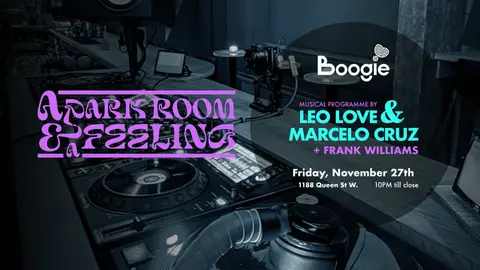
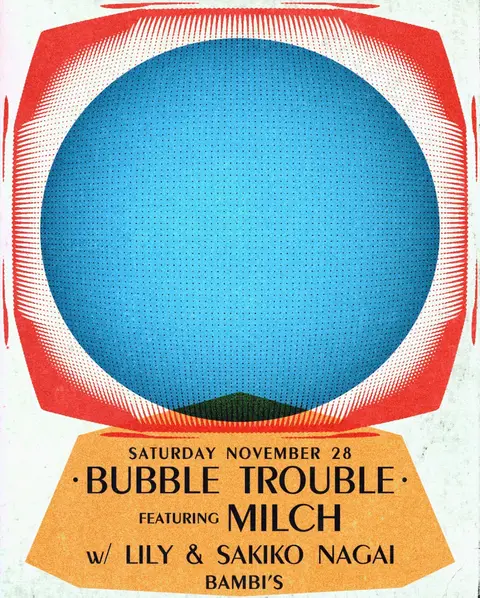
In Toronto, deep house is on at nights that lean toward a slower groove, like the ones at Reverie at the Park.














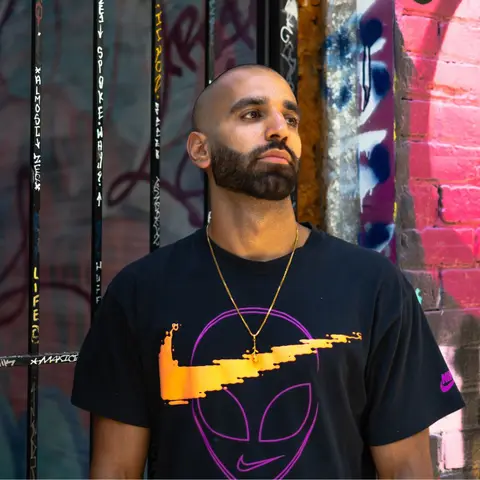 2Shay
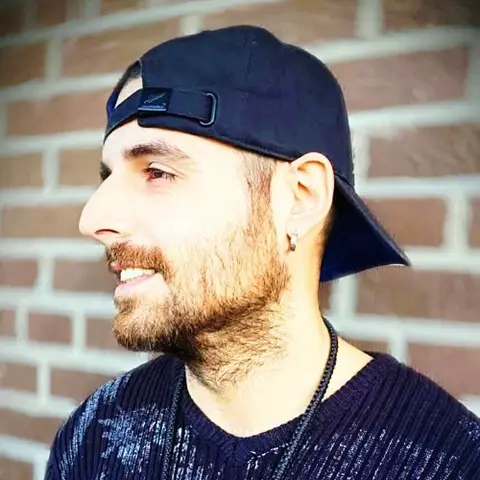 3ROC
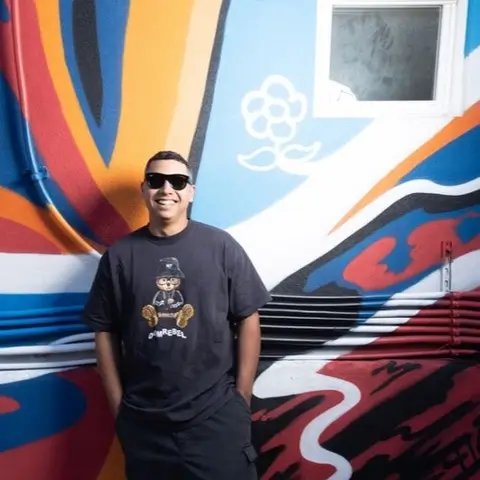 Adrian Salcedo
 Aishapinkrøse
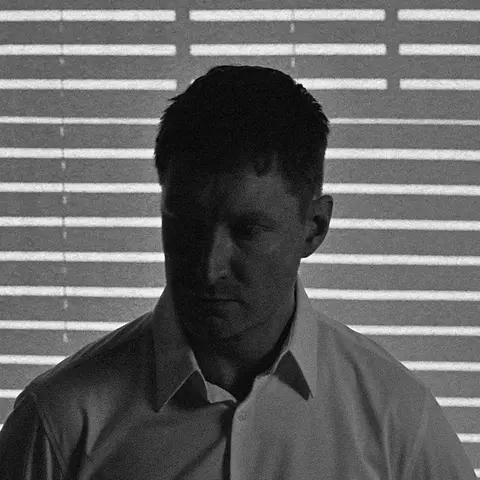 Amtrac
 Ana&Kae
 ANDYCUE
 Ania
 Anna
 Anyasa
 Argy
 Armen Miran