

Techno
Repetitive, machine-made dance music built on a steady kick drum, first made in Detroit in the 1980s.
- Tempo
- 125 to 140 BPM
- From
- Detroit, mid 1980s
- In Toronto
- 67 upcoming shows
What it sounds like
A four-on-the-floor kick, usually between 125 and 140 beats a minute, with percussion from drum machines like the Roland TR-909: hi-hats, claps and rimshots. Synth lines are short loops that repeat and change slowly, a filter opening or a sound getting rougher over several minutes. There are rarely vocals, and when there are they're short spoken phrases. Detroit techno is often melodic, with strings and chords; Berlin techno tends to be darker and more stripped back. DJs mix tracks for long stretches so a set feels like one continuous piece.
Where it came from
Techno started in Detroit in the first half of the 1980s. Three friends who had met at high school in Belleville, a small town outside the city, Juan Atkins, Derrick May and Kevin Saunderson, listened to Kraftwerk, funk, electro and Italian disco, much of it played on the radio by the Detroit DJ the Electrifying Mojo. They started making their own tracks on cheap drum machines and synthesizers.
Atkins released records with Rick Davis as Cybotron, then on his own as Model 500 on his label Metroplex. May started Transmat and released "Strings of Life" as Rhythim Is Rhythim. Saunderson started KMS and had hits in the UK as Inner City. In 1988 a British compilation called "Techno! The New Dance Sound of Detroit" gave the music its name. A second wave followed around 1990 with Underground Resistance, the collective of Mike Banks and Jeff Mills. Across the river in Windsor, Ontario, Richie Hawtin and John Acquaviva started the Plus 8 label in 1990.
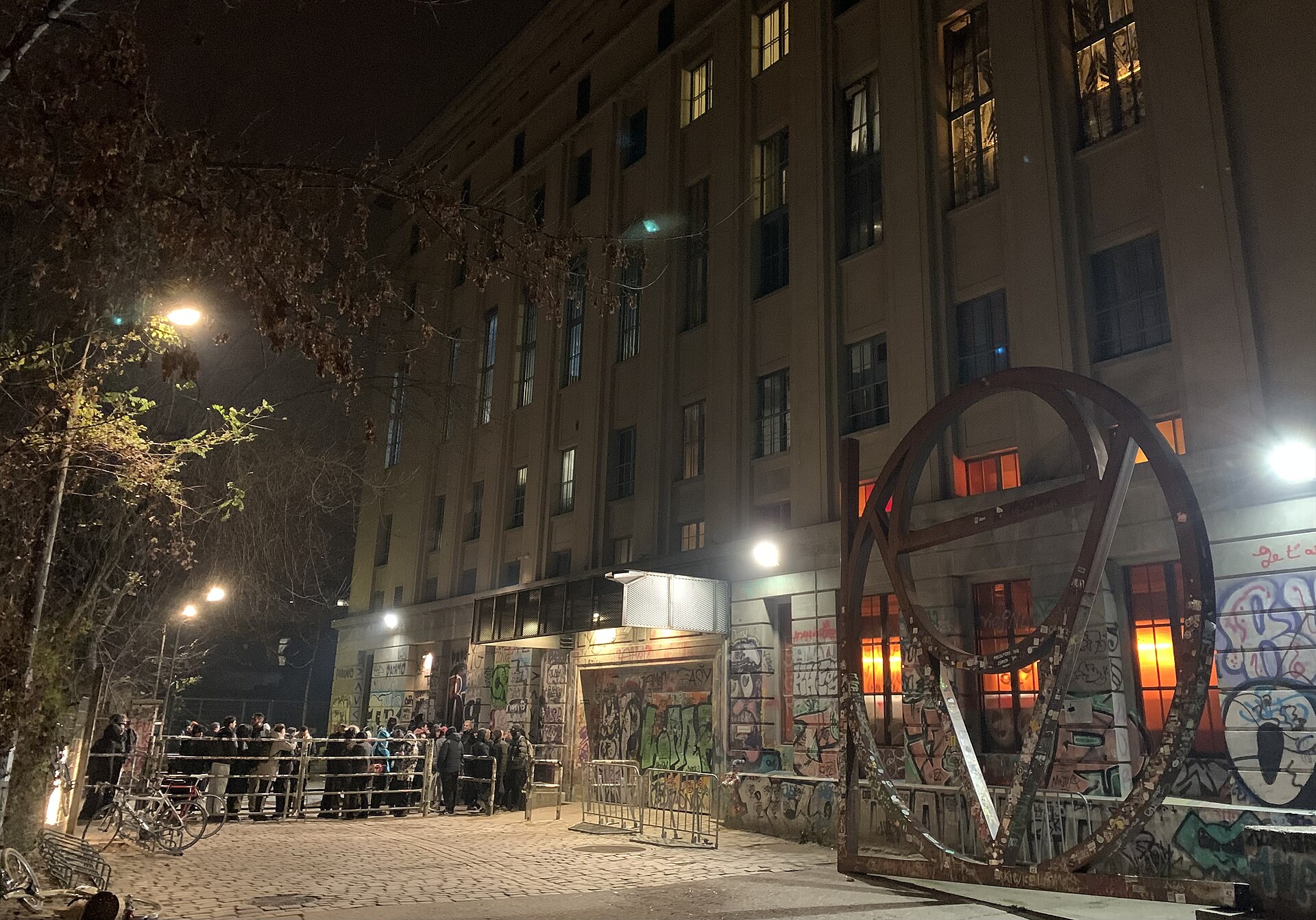
Berlin became techno's second home. The Wall fell in November 1989, and empty buildings in the former East were turned into clubs. Tresor opened in 1991 in the vaults of an old department store, and its label released records by Detroit artists. The Love Parade, which started in 1989 with a few hundred people, drew more than a million by the late 1990s.
Over the 1990s techno split into styles: the stripped minimal sound of Robert Hood and Richie Hawtin's Plastikman, the dub techno of Berlin's Basic Channel, and harder, faster European techno. Berghain, which opened in 2004 in a former power plant, became the best-known techno club in the world. Detroit has held an electronic music festival in Hart Plaza since 2000, now called Movement.
Timeline
- 1981
Juan Atkins and Rick Davis, as Cybotron, release "Alleys of Your Mind" in Detroit.
- 1985
Atkins starts the Metroplex label and releases "No UFO's" as Model 500.
- 1987
Derrick May releases "Strings of Life" as Rhythim Is Rhythim.
- 1988
The UK compilation "Techno! The New Dance Sound of Detroit" gives the music its name.
- 1989
The first Love Parade takes place in Berlin, months before the Wall falls.
- 1991
Tresor opens in Berlin, in the vaults of an old department store.
- 2000
The first Detroit Electronic Music Festival takes place in Hart Plaza.
- 2004
Berghain opens in a former power plant in Berlin.
Records that shaped it
- ClearCybotron1983
- No UFO'sModel 5001985
- Strings of LifeRhythim Is Rhythim1987
- Big FunInner City1988
- SpastikPlastikman1993
- Minimal NationRobert Hood1994
- The BellsJeff Mills1996
In Toronto
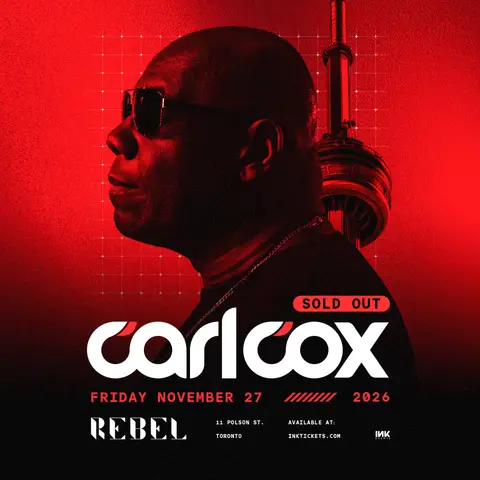
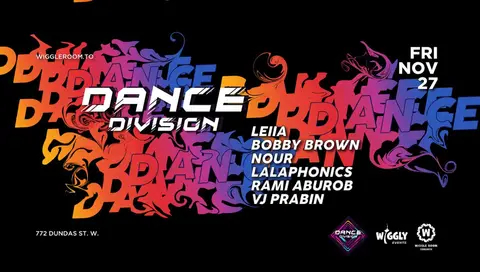
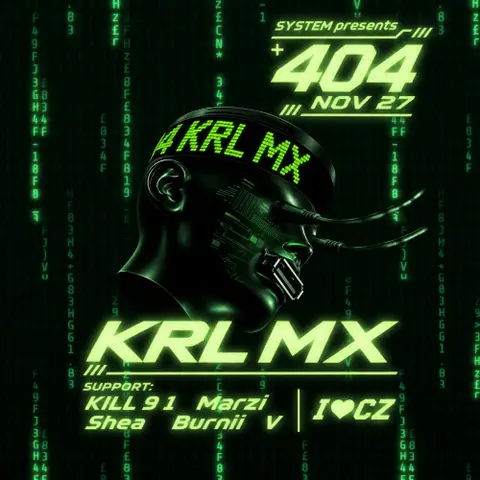
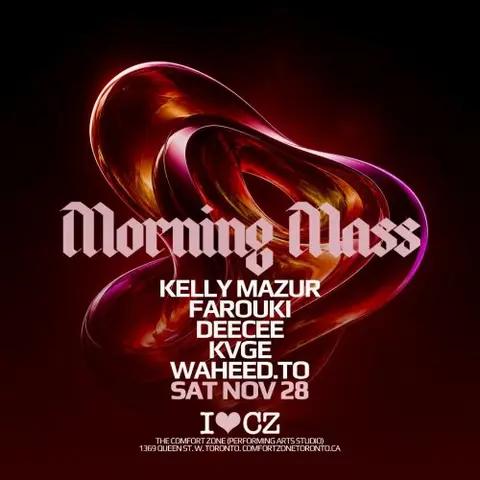
In Toronto, techno nights on the site are at Rebel, CODA, NØMAD, Demo Room and Geary Warehouse.







 2Shay
 3ROC
 747
 AADJA
 Adam Beyer
 Adam James
 Adrian Mills
 Adriatique
 Aerea
 Agents of Time
 Aishapinkrøse
 aka RAT