

House
House is dance music built on a steady four-on-the-floor kick drum, born in Chicago's clubs in the early 1980s.
- Tempo
- 118 to 130 BPM
- From
- Chicago, early 1980s
- In Toronto
- 79 upcoming shows
What it sounds like
A kick drum hits on every beat, four to the floor, usually between 118 and 130 beats a minute. Hi-hats sit on the off-beats and a clap or snare lands on the second and fourth beat. The bassline loops, and piano chords, strings or a vocal sit on top; many classic tracks borrow from disco, soul and gospel. Tracks often run six or seven minutes, with long intros and outros so DJs can blend one into the next. The mood runs from warm and soulful to stripped and hypnotic, at a tempo you can dance to for hours.
Where it came from
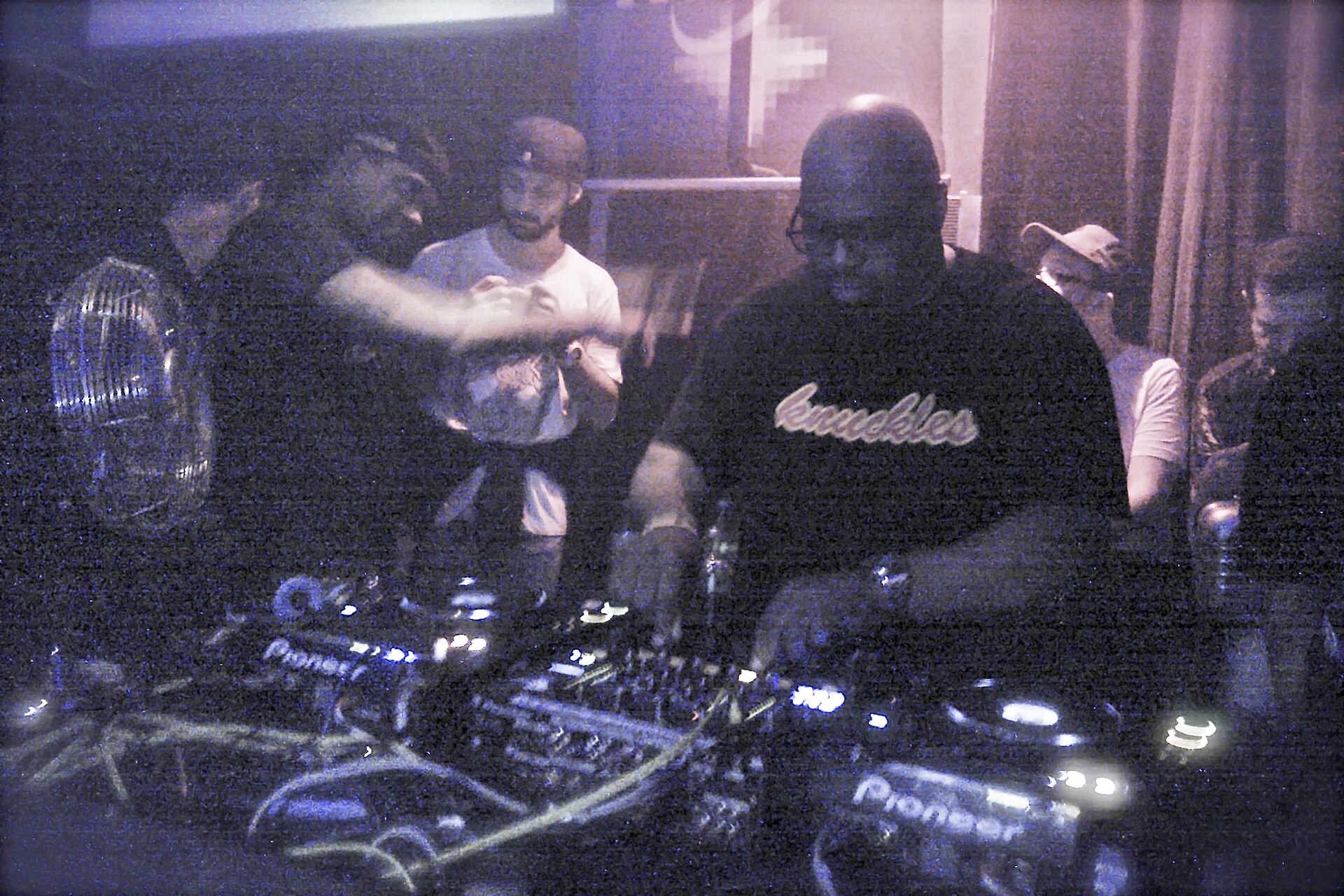
House started in Chicago at the end of the 1970s. In 1977 a club called the Warehouse opened with Frankie Knuckles, a DJ from New York, as its resident. He played disco, soul and European electronic records, and re-edited tracks on reel-to-reel tape to make them longer and heavier for the dance floor. The crowd was mostly Black and gay. Record shops began labelling the records he played as Warehouse music, and the name was soon shortened to house.
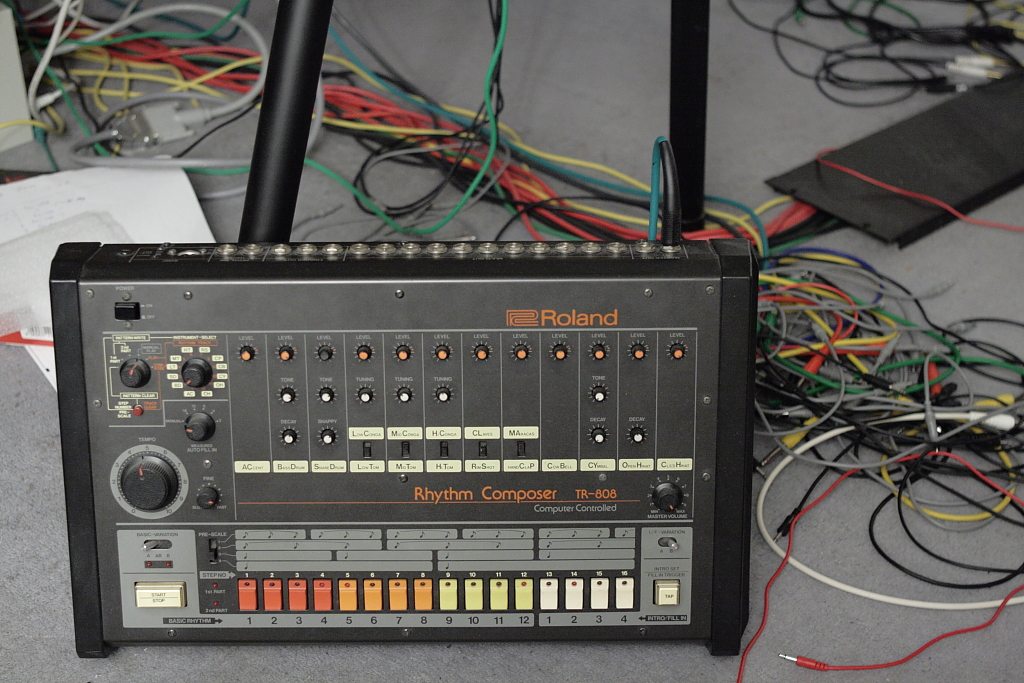
When disco fell out of fashion in the United States around 1980, Chicago's DJs kept the dance floors going with drum machines. Knuckles opened his own club, the Power Plant, in 1983, and Ron Hardy played a rawer, faster style at the Music Box. Local producers made their own tracks on cheap Roland drum machines and synthesizers. Jesse Saunders' "On and On" from 1984 is often called the first house record, and labels like Trax and DJ International released hundreds more over the next few years.
In 1986 and 1987 house reached Europe. Steve "Silk" Hurley's "Jack Your Body" went to number one in the UK, and Phuture's "Acid Tracks", made with a Roland TB-303 bass machine, started acid house. In 1988 acid house parties spread across Britain in what became known as the Second Summer of Love, and from there to clubs across Europe.
Through the 1990s house split into many styles, among them deep house, garage, progressive house and tech house, while New York, Detroit and London each built their own scenes. It has stayed at the centre of club music ever since. Frankie Knuckles, often called the Godfather of House, died in 2014. Most of the other genres in this guide grew out of it.
Timeline
- 1977
The Warehouse opens in Chicago, with Frankie Knuckles as its resident DJ.
- 1983
Knuckles opens the Power Plant, and Ron Hardy plays at the Music Box.
- 1984
Jesse Saunders releases "On and On", often called the first house record.
- 1986
Marshall Jefferson's "Move Your Body" and Mr. Fingers' "Can You Feel It" come out on Trax Records.
- 1987
Phuture's "Acid Tracks" starts acid house, and "Jack Your Body" reaches number one in the UK.
- 1988
Acid house parties spread across Britain in the Second Summer of Love.
- 1990s
House splits into styles like deep house, garage, progressive house and tech house.
- 2014
Frankie Knuckles dies in Chicago, aged 59.
Records that shaped it
- On and OnJesse Saunders1984
- Move Your BodyMarshall Jefferson1986
- Can You Feel ItMr. Fingers1986
- Jack Your BodySteve "Silk" Hurley1986
- Acid TracksPhuture1987
- Promised LandJoe Smooth1987
- The Whistle SongFrankie Knuckles1991
In Toronto
In Toronto, house plays across the city's clubs. CODA hosts it most often, and it also fills nights at Cassius on King, Reverie at the Park, DPRTMNT, NØMAD and Rebel.







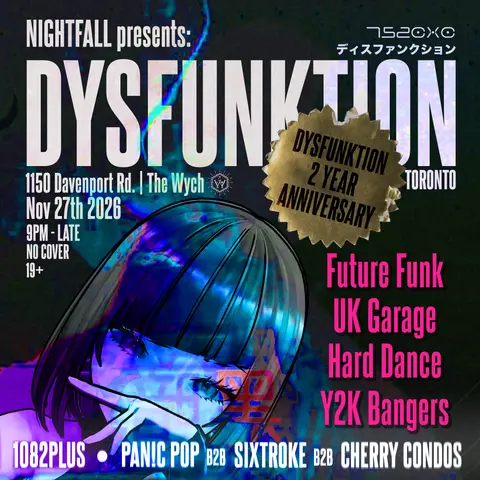

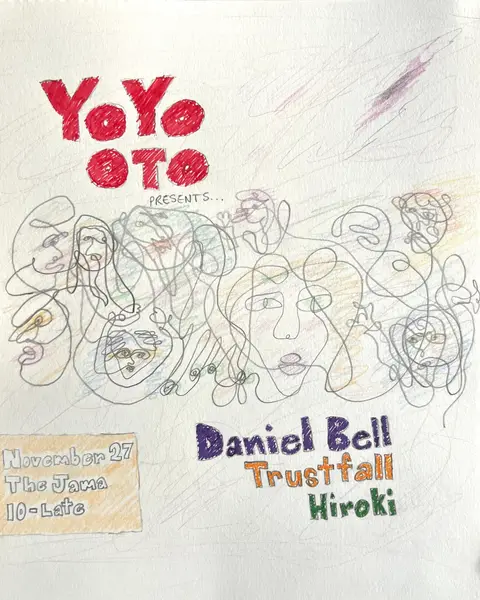



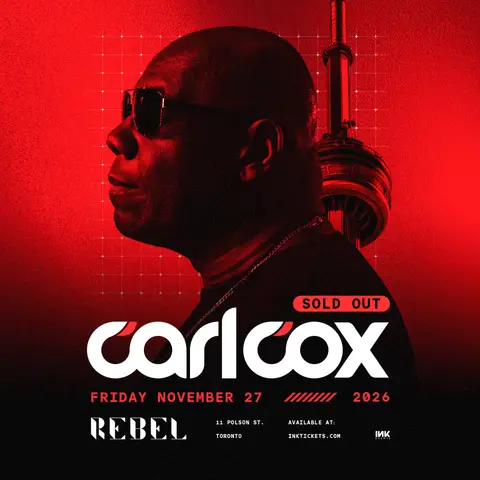

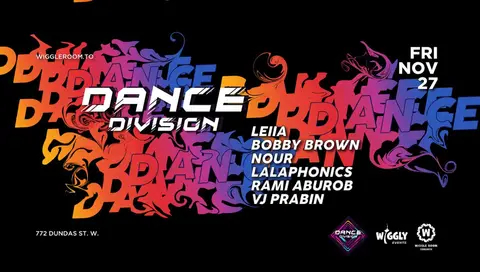



 &FRIENDS
 &Only Me
 1082plus
 2Shay
 2SLAV
 33 Below
 3ROC
 4Korners
 747
 AC Slater
 Adam Port
 Adrian Salcedo